


Despite being founded in 2019, PT. Zakti Grup Indonesia holds a gigantic amount of experience due to the great minds behind the scenes. Hence, the company is not any less than capable and credible to handle numerous business sectors and fields together with investors that possess relevant expertise, as listed below.
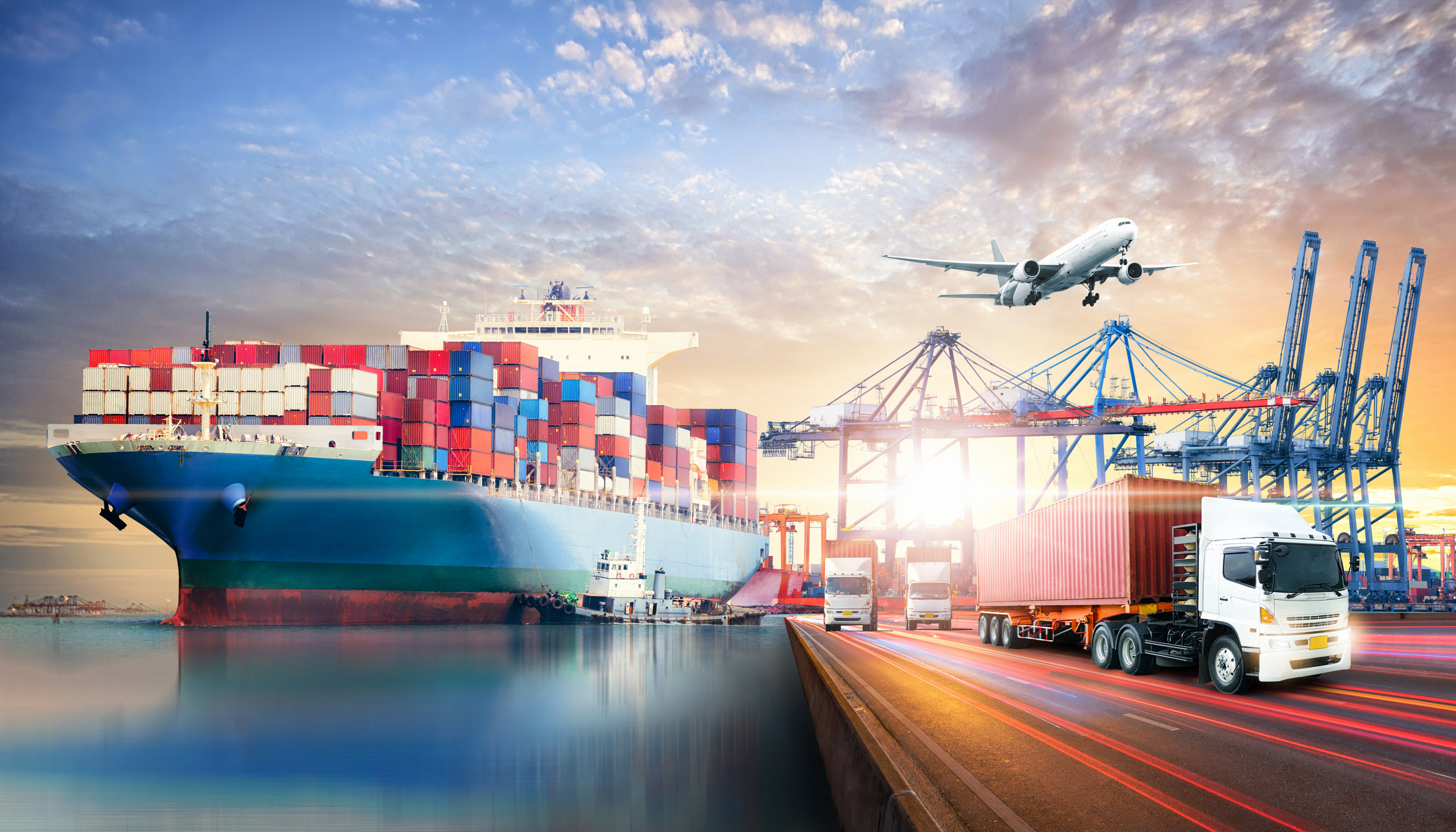
There has currently been double-digit growth in Indonesia’s logistics sector as a result of the country’s ongoing development in its economy, which is driven by significant domestic demand. The country’s inadequate logistics system does not allow Indonesia to fully participate in the global manufacturing network. This particular sector needs to start taking on another approach that is more coherent in order to achieve efficiencies all over the supply chain. In fact, the estimated figure in the cargo and logistics market in Indonesia was USD 81.1 billion, and is predicted to reach over USD 135 billion by the year of 2026. Throughout the forecast period, that figure records over 7% growth.
According to the master plan of the Global Maritime Fulcrum (GMF), the president hopes to see a contribution of 25% GDP from the maritime sector, as opposed to the current figure, which is 11%. As a country with uneven population distribution, the development of infrastructure is essential to resolve regional differences and strengthen national cohesion, thereby realizing its economic potential. Located in one of the busiest waterways in the world, Indonesia has the potential to export ships as well as develop its own ship repair and maintenance industry. The biggest challenge with this industry is that domestically produced products are too expensive than the imported ones, hence limits the supply of equipment and parts, which makes the industry less competitive than foreign suppliers. As Indonesia is aiming to become a global maritime country, our government urges foreign investors’ involvement to take part in maritime and logistics sectors.
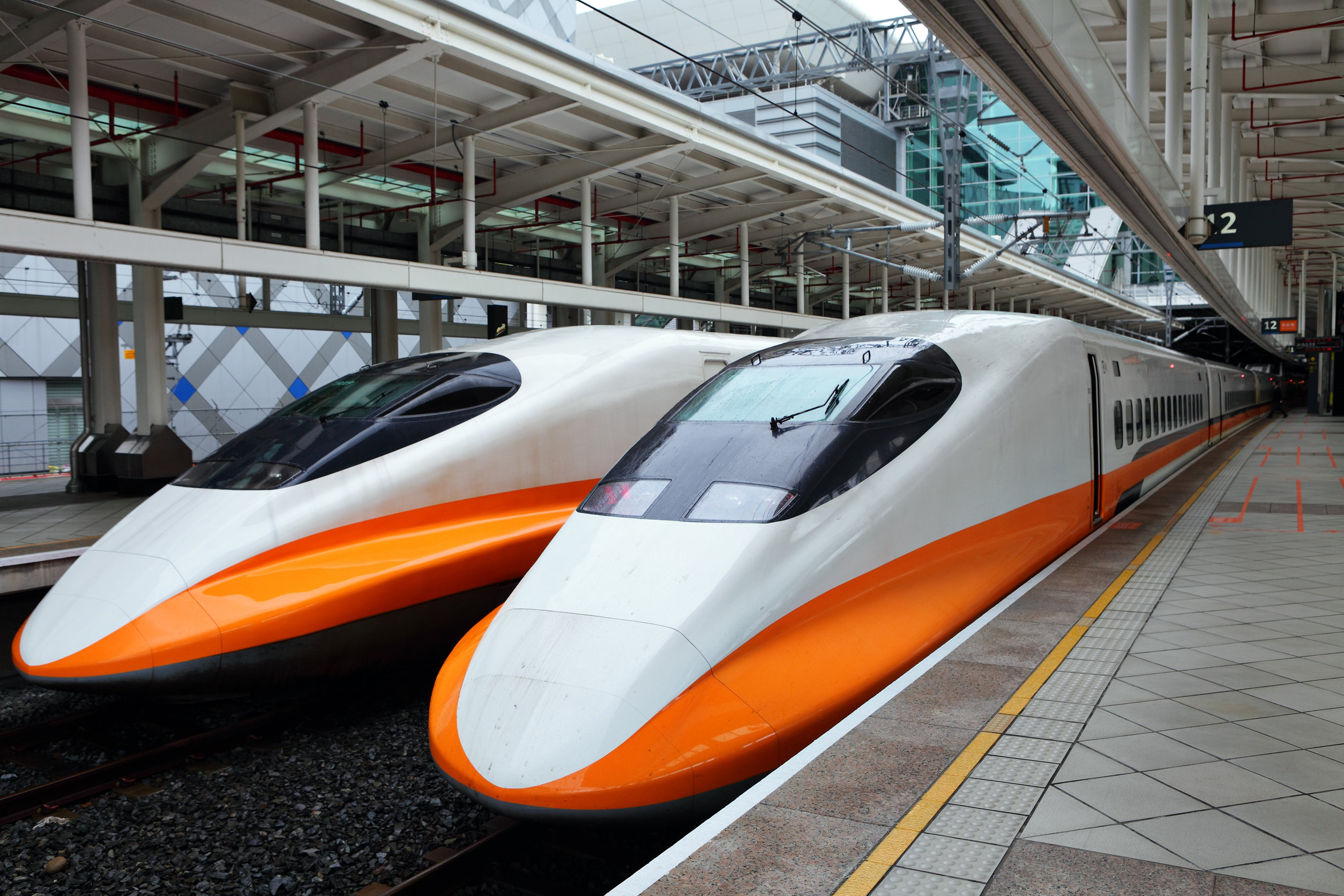
Improved physical infrastructure opens up great opportunities for investors to engage in development. A good and efficient infrastructure can lead to faster economic development in Indonesia, which is another strong reason why infrastructure is emerging as a business opportunity in this country. Indonesia needs good infrastructure for all major cities and regions. Reputable and high-quality enterprises in this field are invited to participate in the country's modernization plan with modern infrastructure systems that would benefit the people and support the economic activity.

Over the years, Indonesia has faced various challenges in pursuing development in all sectors. Though there is still a long way to go, we continue to prove that anything is possible as long as we’re open to improvement.

Indonesian agriculture is considered as one of the most important engines of Indonesia's economy and employs more than 50 million people. Self-sufficiency in numerous agricultural products has been placed as the top priority by the government, particularly self-sufficiency in rice production as it is the staple food of most of the population. As a matter of fact, Indonesia’s rice consumption per capita is the highest in the world, which is approximately 139 kg per capita per year. This is why modern farming and fishery are the most crucial sectors of the economy.
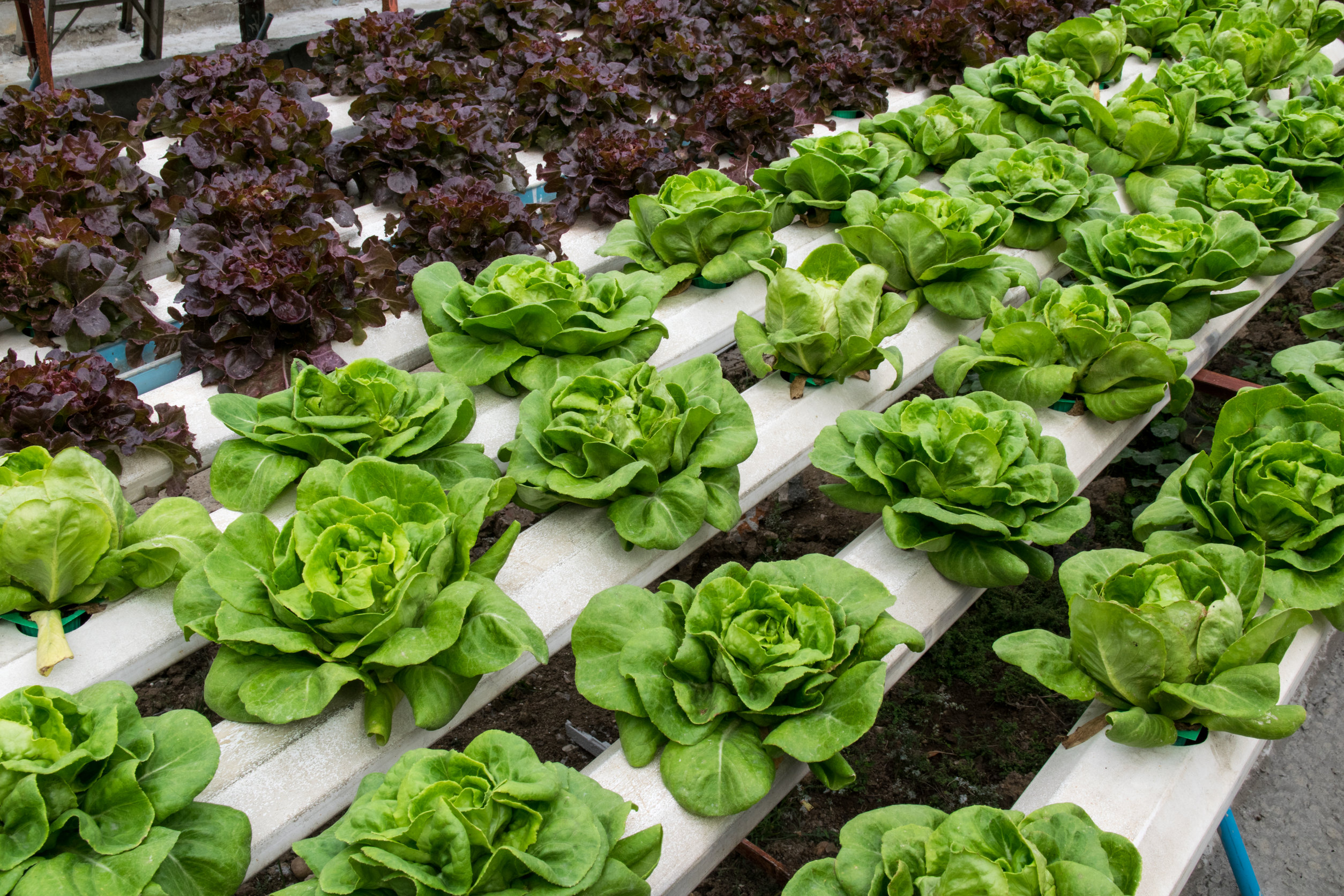
As Indonesia's digital economy continues to thrive, the government is encouraging modern farming and fishing practices with the latest knowledge and technology. This is to ensure an adequate supply of agricultural products at the local level and potentially make Indonesia an agricultural exporter, while also aiming to improve the lives of the farmers. The country is home to millions of hectares of fertile land and 99,093 km of coastline. Modern agriculture and fishing will certainly be promising business lines for investment.

Indonesia has not yet developed and improved an efficient, lucrative and reliable tourism sector. For this reason, there is an urge to make the country's road system more modern and efficient. As Indonesia's top tourist destination, Bali welcomes most tourists from anywhere in the country. On the other hand, many other Indonesian islands are still mostly rural and lack tourist facilities. Aiming at both tourists and locals, travel agencies, information desks, hotels, restaurants, cinemas and shopping centers will enhance access to Indonesia's most remote islands, making them attractive tourist destinations. Therefore, it will help create sufficient infrastructure for local residents and tourists, as well as the development of tourism in more remote areas.


One of the most propitious business opportunities in indonesia today is e-commerce. As it is widely known, e-commerce start-up companies that are thriving have been increasing in number. As more technology developers and suppliers plan to expand their businesses in Indonesia, the government is encouraging local universities to generate the right talents. As a result, there is a greater focus on teaching the right digital skills.
Indonesia's strong digital economy appears to be transforming business relations in the region while breaking down trade barriers. For example, their e-retailer, e-hailing, e-commerce and digital learning services are attracting more consumers. Governments recognize the role of technology as a catalyst and boost in helping a country achieve its economic ambitions and encourage investment agreements in the form of partnerships and collaborations. It can be said that the digital economy has a bright future for the national economy.

As one of the key players in the global mining industry with massive mineral reserves and production industry, Indonesia aims to have an investment climate that caters to the interests of investors as well as the government. The country covers a wide variety of extraction and mining, including but not limited to gold, copper, coal, tin, silver, bauxite, and nickel mining. Nickel, particularly, is needed due to a notable increase in the use of battery technology. Fortuitously, Indonesia is one of the largest nickel-producing countries globally, resulting in an increase in the country’s nickel mining investment. The demand for nickel, as an essential element of battery and electronic production, will continue to be supported by the increasing demand for electric vehicles in the automotive sector.
Indonesia has been one of the three largest exporters of coal in the world to date. The country’s coal value in 2020 was estimated about USD 14.5 billion, mainly used for power generation due to its “green coal” characteristics which are low in ash and sulphur. Amidst the increasing domestic demand, the coal industry in the country has been rapidly growing. Indonesia is the world’s largest exporter of thermal coal, providing around a third of seaborne coal, owing to its geographic location. As a result of the government’s efficiency, infrastructure, and improved business environment, the country has leveled up in the global ranking. Indonesia has been consistent in showing relatively rapid growth in foreign investment over the last few years, particularly after the international financial crisis in 2008.
There has currently been double-digit growth in Indonesia’s logistics sector as a result of the country’s ongoing development in its economy, which is driven by significant domestic demand. The country’s inadequate logistics system does not allow Indonesia to fully participate in the global manufacturing network. This particular sector needs to start taking on another approach that is more coherent in order to achieve efficiencies all over the supply chain. In fact, the estimated figure in the cargo and logistics market in Indonesia was USD 81.1 billion, and is predicted to reach over USD 135 billion by the year of 2026. Throughout the forecast period, that figure records over 7% growth.
According to the master plan of the Global Maritime Fulcrum (GMF), the president hopes to see a contribution of 25% GDP from the maritime sector, as opposed to the current figure, which is 11%. As a country with uneven population distribution, the development of infrastructure is essential to resolve regional differences and strengthen national cohesion, thereby realizing its economic potential. Located in one of the busiest waterways in the world, Indonesia has the potential to export ships as well as develop its own ship repair and maintenance industry. The biggest challenge with this industry is that domestically produced products are too expensive than the imported ones, hence limits the supply of equipment and parts, which makes the industry less competitive than foreign suppliers. As Indonesia is aiming to become a global maritime country, our government urges foreign investors’ involvement to take part in maritime and logistics sectors.
Improved physical infrastructure opens up great opportunities for investors to engage in development. A good and efficient infrastructure can lead to faster economic development in Indonesia, which is another strong reason why infrastructure is emerging as a business opportunity in this country. Indonesia needs good infrastructure for all major cities and regions. Reputable and high-quality enterprises in this field are invited to participate in the country's modernization plan with modern infrastructure systems that would benefit the people and support the economic activity.
Over the years, Indonesia has faced various challenges in pursuing development in all sectors. Though there is still a long way to go, we continue to prove that anything is possible as long as we’re open to improvement.
Indonesian agriculture is considered as one of the most important engines of Indonesia's economy and employs more than 50 million people. Self-sufficiency in numerous agricultural products has been placed as the top priority by the government, particularly self-sufficiency in rice production as it is the staple food of most of the population. As a matter of fact, Indonesia’s rice consumption per capita is the highest in the world, which is approximately 139 kg per capita per year. This is why modern farming and fishery are the most crucial sectors of the economy.
As Indonesia's digital economy continues to thrive, the government is encouraging modern farming and fishing practices with the latest knowledge and technology. This is to ensure an adequate supply of agricultural products at the local level and potentially make Indonesia an agricultural exporter, while also aiming to improve the lives of the farmers. The country is home to millions of hectares of fertile land and 99,093 km of coastline. Modern agriculture and fishing will certainly be promising business lines for investment.
Indonesia has not yet developed and improved an efficient, lucrative and reliable tourism sector. For this reason, there is an urge to make the country's road system more modern and efficient. As Indonesia's top tourist destination, Bali welcomes most tourists from anywhere in the country. On the other hand, many other Indonesian islands are still mostly rural and lack tourist facilities. Aiming at both tourists and locals, travel agencies, information desks, hotels, restaurants, cinemas and shopping centers will enhance access to Indonesia's most remote islands, making them attractive tourist destinations. Therefore, it will help create sufficient infrastructure for local residents and tourists, as well as the development of tourism in more remote areas.
Top view of Padar Island in a morning from Komodo Island (Komodo National Park), Labuan Bajo, Flores, Indonesia
One of the most propitious business opportunities in indonesia today is e-commerce. As it is widely known, e-commerce start-up companies that are thriving have been increasing in number. As more technology developers and suppliers plan to expand their businesses in Indonesia, the government is encouraging local universities to generate the right talents. As a result, there is a greater focus on teaching the right digital skills.
Indonesia's strong digital economy appears to be transforming business relations in the region while breaking down trade barriers. For example, their e-retailer, e-hailing, e-commerce and digital learning services are attracting more consumers. Governments recognize the role of technology as a catalyst and boost in helping a country achieve its economic ambitions and encourage investment agreements in the form of partnerships and collaborations. It can be said that the digital economy has a bright future for the national economy.
As one of the key players in the global mining industry with massive mineral reserves and production industry, Indonesia aims to have an investment climate that caters to the interests of investors as well as the government. The country covers a wide variety of extraction and mining, including but not limited to gold, copper, coal, tin, silver, bauxite, and nickel mining. Nickel, particularly, is needed due to a notable increase in the use of battery technology. Fortuitously, Indonesia is one of the largest nickel-producing countries globally, resulting in an increase in the country’s nickel mining investment. The demand for nickel, as an essential element of battery and electronic production, will continue to be supported by the increasing demand for electric vehicles in the automotive sector.
Indonesia has been one of the three largest exporters of coal in the world to date. The country’s coal value in 2020 was estimated about USD 14.5 billion, mainly used for power generation due to its “green coal” characteristics which are low in ash and sulphur. Amidst the increasing domestic demand, the coal industry in the country has been rapidly growing. Indonesia is the world’s largest exporter of thermal coal, providing around a third of seaborne coal, owing to its geographic location. As a result of the government’s efficiency, infrastructure, and improved business environment, the country has leveled up in the global ranking. Indonesia has been consistent in showing relatively rapid growth in foreign investment over the last few years, particularly after the international financial crisis in 2008.